
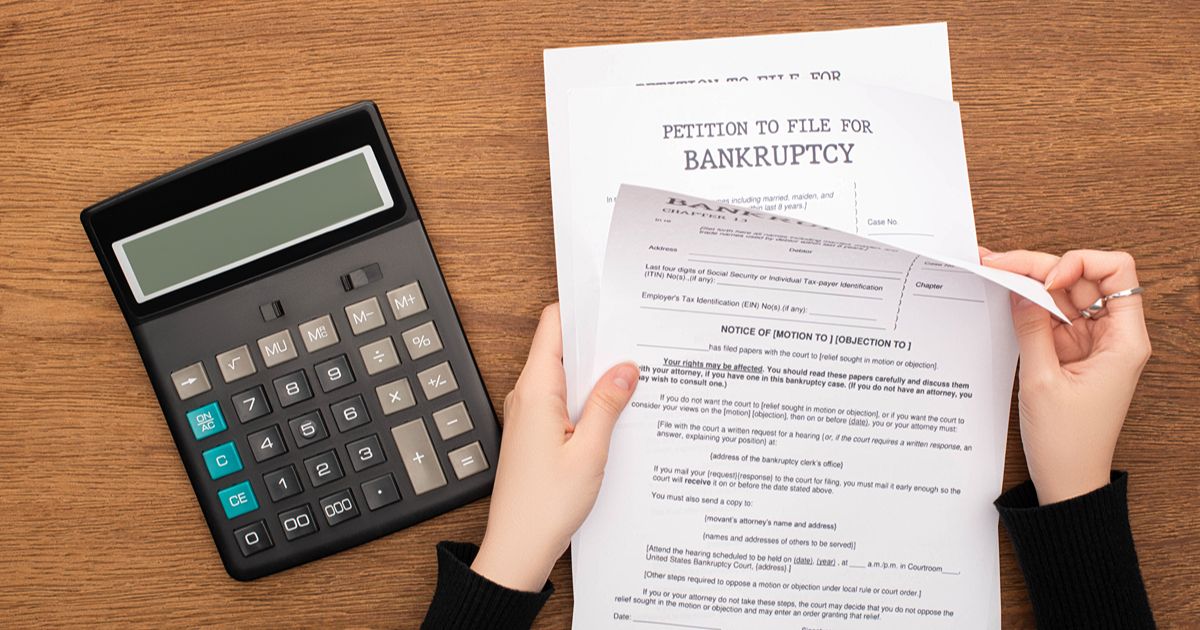
There is no minimum debt amount required for Chapter 7 bankruptcy in Houston, TX. Federal law never names a dollar figure, so someone with $9,000 in credit card balances has the same right to file as someone with $190,000.
What the court looks at is your income, your property, and how long it would take you to pay off what you owe.
Most people I meet with fall somewhere between $15,000 and $50,000 in unsecured debt, but the number alone is not the deciding factor.
No Law Sets a Minimum Debt for Chapter 7
The Bankruptcy Code sets no floor on debt for a Chapter 7 case. Judges do not throw out cases for being too small, and there is no form where you prove you owe “enough.”
This surprises people, because Chapter 13 works the other way. It has an upper debt ceiling, and filers who owe too much get pushed elsewhere. Chapter 7 bankruptcy has no ceiling and no floor.
A judge can still dismiss a case filed in bad faith. Running up new charges you never planned to repay, then filing right away, is the kind of thing a trustee notices.
The Texas Means Test Decides If You Qualify, Not Your Debt Total
The means test compares your average household income over the last 6 months to the median for a Texas family your size. If you fall below that line, you pass step one automatically.
Current Texas median income figures
These are the figures in effect for cases filed today, published by the U.S. Trustee Program:
- 1 earner: $66,837
- 2 people: $86,714
- 3 people: $99,273
- 4 people: $117,962
- Add $11,100 for each person past four
These numbers get refreshed about twice a year, so the only chart that counts is the one in effect the day you file.
If your income is above the median
You are not disqualified. The second half of the test subtracts allowed expenses like your mortgage, car note, taxes, child care, and health insurance. Plenty of Houston families clear the median on paper and still pass after deductions. If you cannot pass, a Chapter 13 repayment plan stretches payments over three to five years instead.
How Much Debt Makes Chapter 7 Bankruptcy in Houston Worth Filing?
A useful test is time. If you cannot pay off your unsecured debt in about 5 years on your current budget, filing is worth a serious look.
Minimum payments on $20,000 of credit card debt at 24% interest can run for decades and cost more in interest than the original balance. That is the situation Chapter 7 was built for.
Debt size matters less than what your creditors are already doing. Watch for these signs:
- You have been sued in a Harris County or Fort Bend County court.
- A judgment creditor has frozen or levied your bank account.
- You are pulling from retirement savings to cover monthly bills.
- A car repossession notice has already arrived.
- Collectors are calling at work.
One Texas detail trips people up. Our state does not allow wage garnishment for most consumer debts, so folks feel safer than they are. Creditors can still freeze bank accounts and attach liens to property, usually without warning.
Which Debts Chapter 7 Erases and Which Ones Stay
Chapter 7 wipes out most unsecured debt, but it does not touch everything.
Debts that usually go away:
- Credit cards
- Medical bills
- Personal loans and payday loans
- Old utility balances
- Deficiency balances after a repossession
Debts that usually stay:
- Child support and alimony
- Most recent income taxes
- Court fines and criminal restitution
- Most student loan debt
Home loans are their own category. Chapter 7 pauses a sale through the automatic stay, but it does not fix missed payments. To catch up on arrears and stop a foreclosure for good, Chapter 13 is the better tool.
Texas property rules are generous. Our homestead exemption protects home equity with no dollar cap inside the acreage limits, which is why most Houston filers keep the house and the car.
What Filing Costs and Where Houston Cases Go
The court filing fee for Chapter 7 is $338, the same in every district under the federal court fee schedule. You do not have to pay it all at once. The court can split it into four installments, and filers earning under 150% of the federal poverty guidelines can ask to have it waived using Form 103B.
Houston area cases go to the Houston Division of the U.S. Bankruptcy Court for the Southern District of Texas. You also have to finish a credit counseling course from an approved agency within 180 days before filing, plus a second course before your debts are discharged.
Add attorney fees, and you can see why a $2,000 balance rarely justifies a filing. At that level, a payment plan usually makes more sense.
A Houston bankruptcy attorney can tell you fast which side of that line you land on.
Your Debt Total Is the Wrong Starting Question
The better question is how long your debt will take to clear and what it costs you to keep carrying it.
If the answer is “forever,” the size of the balance stops mattering.
Bring 6 months of pay stubs and a list of what you owe, and we can run your means test numbers in one sitting.